
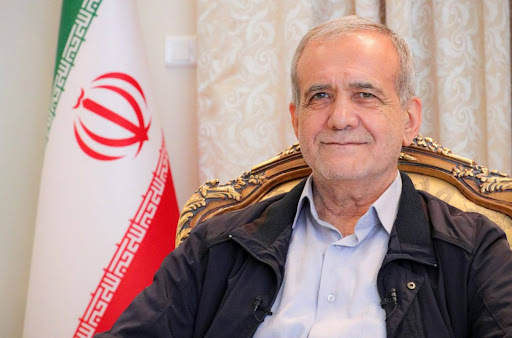
Iran is executing a twin-track strategy against Gulf nations: striking those that host American forces while simultaneously urging their governments to expel those forces. President Masoud Pezeshkian spelled out this approach in a post on X, making it clear that the choice belongs to Gulf leaders and that consequences flow from whichever path they choose. The statement came as the Iran-US war entered its second month.
The conflict has steadily widened its geographic footprint. Countries including Saudi Arabia, the UAE, Kuwait, Oman, and Qatar have seen Iranian retaliatory strikes as a direct result of hosting US military bases. For these nations, the war that began between two other powers has rapidly become their own crisis to manage.
Pezeshkian stated unequivocally that Iran does not launch preemptive attacks, but warned of strong retaliation against any threats to the country’s infrastructure or economic centers. He then pivoted to a pointed message for Gulf governments, linking their security and development prospects to the decision to stop enabling what he called an enemy-run war. The message was received across the region with a mixture of concern and careful attention.
Pakistan’s Prime Minister Shehbaz Sharif has been among the most active diplomatic voices calling for peace, and his conversations with Pezeshkian have reportedly made progress. Iran’s president acknowledged the importance of building trust before meaningful negotiations can begin. Islamabad has been praised by Tehran for its proactive peace-brokering role.
A diplomatic summit currently underway in Pakistan is bringing together foreign ministers from Saudi Arabia, Egypt, and Turkey to discuss the conflict’s trajectory. Pakistan’s Foreign Minister Ishaq Dar is coordinating the discussions, which range from immediate cease-fire possibilities to longer-term regional security frameworks. The outcome of these talks may shape the next phase of the conflict.