
A new political weatherfront appears to be moving into the Middle East, and for Israel, it is bringing the promise of clearing skies to the north. Prime Minister Benjamin Netanyahu announced Sunday that the storm of war with Hezbollah has passed, leaving behind an unexpected climate of diplomatic opportunity with Syria and Lebanon.
The most significant change in the forecast is with Syria. The cold front of the Assad regime has been replaced by a more temperate political climate, allowing for direct peace talks. A Syrian official has predicted that a stable front, in the form of a security agreement, could be established by the end of the year.
In Lebanon, the forecast is still partly cloudy, with a continued risk of showers in the form of Israeli strikes on Hezbollah. However, the barometer is rising as the Lebanese government begins the process of disarming the militia, a move that could bring calmer weather to the entire region.
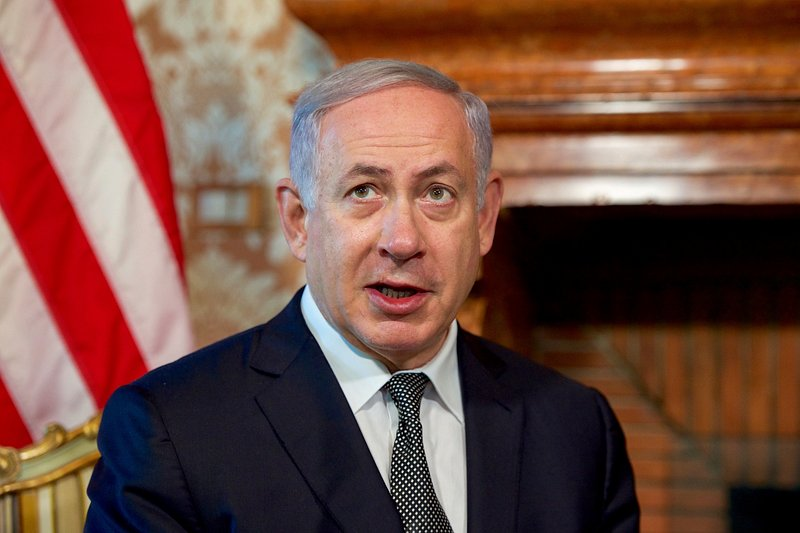
Netanyahu acted as the chief political meteorologist in his statement. “Our victories… have opened a window for a possibility that was not even imagined before,” he said, forecasting a significant improvement in regional relations. He confirmed “some progress” in the talks with Syria.
The signs of this changing weather are clear. Syria is negotiating a demilitarized zone. Lebanon is planning to disarm Hezbollah. These are not just passing clouds, but potentially the leading edge of a new, more peaceful political climate in the Middle East.
A New Political Weatherfront Moves In: Israel Sees Clearing Skies to the North
Picture Credit: rawpixel.com
67