
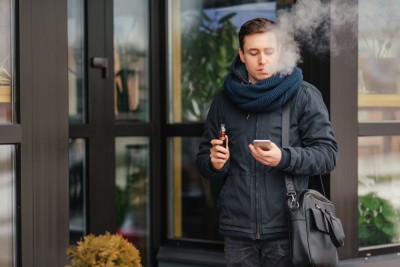
While vaping is often marketed as a healthier alternative to smoking, health experts are sounding the alarm about its potential negative impacts on skin health. They emphasize that e-cigarettes containing nicotine can still pose risks, particularly by affecting the skin’s natural ability to heal, and may even exacerbate issues like inflammation and acne.
Nicotine, a key component in many e-cigarettes, is known to constrict small blood vessels throughout the body. This constriction leads to reduced oxygen and nutrient flow to the skin, which is crucial for repairing damage such as acne lesions, minor wounds, and irritations. With reduced blood supply, the skin’s healing process can be significantly slowed.
Beyond circulation issues, vaping introduces various chemicals into the body that can elevate oxidative stress and inflammation levels. These conditions may result in dull-looking skin and, for some individuals, can worsen acne or make managing existing breakouts more challenging.
Although research into how vaping specifically affects acne is still developing, experts caution that it’s not the only factor influencing skin health. Hormonal changes, dietary habits, genetic predispositions, and skincare routines also play substantial roles. Nonetheless, those adhering to a regular skincare regimen yet still experiencing persistent skin issues like inflammation, slow healing, or frequent breakouts might need to consider the potential influence of nicotine use.
Medical professionals underscore that achieving healthy skin involves more than just external treatments. Internal factors such as blood circulation, inflammation levels, and the body’s capacity to repair damaged tissue are integral to maintaining skin health.