
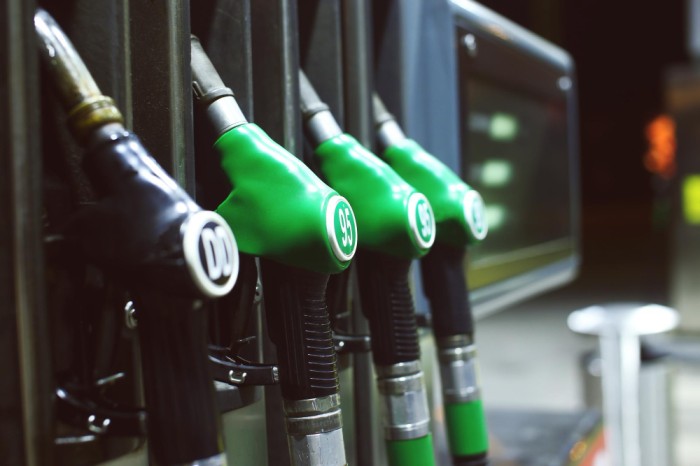
As Poland’s “Lower Fuel Prices” initiative concluded on June 30, motorists have been hit with a significant rise in fuel costs. This change stems from an increase in the value-added tax (VAT) on fuel, which jumped from 8% back to its previous rate of 23% starting July 1. Such a tax hike has led to a spike in prices at petrol stations, with some regions witnessing increases of up to 0.80 Polish złoty per litre. As a result, the cost per litre has surpassed 7 złoty in many areas, burdening drivers with higher expenses.
The timing of this increase is particularly impactful as it coincides with the onset of the summer travel season. Many Poles embarking on holiday trips are now facing elevated transportation costs, a development that has not gone unnoticed by the public. Social media has been abuzz with drivers sharing their experiences and updated fuel prices, illustrating the broad reach of the tax change’s impact.
Public discourse around this issue has been lively, with many recalling campaign promises made by Prime Minister Donald Tusk, who had previously pledged to keep fuel costs low. This resurgence of political discussion highlights the frustration among citizens who feel the pinch of the increased prices just as they hoped to enjoy their summer vacations.
The end of the government’s temporary program has thus sparked a broader debate about economic policies and their effects on everyday life. As the nation grapples with these changes, the focus remains on how these rising costs will influence consumer behavior and the economy at large during the busy travel season.