
Fears of escalating military tension in East Asia have spiked following North Korea’s angry reaction to a new submarine pact between South Korea and the United States. On Tuesday, state media in Pyongyang characterized the agreement as a catalyst for a “nuclear domino” effect, predicting that South Korea’s pursuit of nuclear-powered vessels is “bound to cause” a massive regional arms race. The condemnation was swift and utilized the aggressive rhetoric typical of the North’s response to perceived American encirclement.
The agreement in question was publicized last week by South Korean President Lee Jae Myung, marking a significant shift in Seoul’s military capabilities. The finalized trade and security deal with the U.S. includes provisions for expanding South Korea’s authority regarding uranium enrichment. This technical clearance is the stepping stone for developing nuclear-propelled submarines, assets that would allow the South Korean navy to operate for longer periods underwater, significantly altering the naval balance of power.
Pyongyang’s denunciation was framed as a warning to the wider region. By using the term “nuclear domino,” the North implies that South Korea’s acquisition of such technology could encourage other nations to abandon non-proliferation norms. The commentary explicitly stated that the program was a “dangerous attempt at confrontation,” suggesting that the North views this not as a defensive measure, but as an offensive escalation that demands a reciprocal military buildup.
This war of words comes at a particularly sensitive moment. Just one day before the North’s commentary, Seoul had reached out with a proposal for military talks to prevent border skirmishes, ending a seven-year hiatus on such offers. President Lee has taken a distinctively different approach than his conservative predecessor, expressing a willingness to engage in unconditional talks. However, the simultaneous pursuit of nuclear naval technology appears to have complicated these peace efforts.
As the dust settles on the announcement, the international community is waiting to see if the “hot arms race” predicted by Pyongyang becomes a reality. North Korea has yet to respond to the olive branch of military talks, leaving the region in a state of uncertainty. The juxtaposition of a peace offer and a nuclear submarine deal has created a volatile environment where diplomatic intentions are being severely tested by military realities.
Sparking a Hot Arms Race: North Korea Blasts US-Backed Submarine Deal
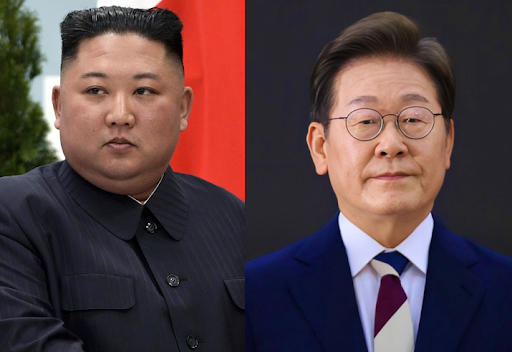
Picture Credit: www.commons.wikimedia.org
59