
The strategic landscape of the Indo-Pacific is shifting as the United States confirms that Taiwan will become only the third operator in the region to deploy the National Advanced Surface-to-Air Missile System (NASAMS). Joining Australia and Indonesia, Taiwan’s acquisition of this $700 million system closes a critical gap in its air defense architecture. The deal, fulfilled by defense contractor RTX, is part of a massive effort to modernize the island’s military hardware in the face of an increasingly capable and assertive People’s Liberation Army (PLA) across the Taiwan Strait.
The NASAMS platform has seen its reputation skyrocket following its successful deployment in Ukraine, where it has been instrumental in intercepting Russian threats. For Taiwan, the system offers a necessary evolution in capability. As the PLA ramps up “grey zone” warfare—flying sorties and drones near the island to wear down Taiwanese pilots and radar operators—the need for a ground-based, medium-range automated response has become critical. The NASAMS provides exactly this “sharp boost,” offering a high-probability intercept capability against the diverse array of aerial threats present in the region.
Financially and contractually, the US is locking in this support for the next decade. The Pentagon announced that fiscal 2026 funds amounting to nearly $699 million have been obligated, with the production work expected to conclude in February 2031. This specific contract is a subset of a larger $2 billion commitment discussed the previous year. The timing is also notable; this is the second weapons package announced this week, following a $330 million deal for aircraft sustainment, bringing the immediate total of US aid to roughly $1 billion.
The sale occurs against a backdrop of widening regional instability. Diplomatic relations between China and Japan have worsened following incursions by Chinese coast guard vessels and drones near Japanese islands. In this context, the US is stepping up its role as the guarantor of security for the “first island chain.” Raymond Greene, the US representative in Taipei, described the American commitment as “rock solid,” emphasizing that Washington is focused on substantive actions—like arms sales and industrial cooperation—rather than just diplomatic words.
Taiwan’s leadership continues to navigate this perilous environment with a dual strategy of dialogue and deterrence. Defense Minister Wellington Koo has publicly urged Beijing to abandon its “thinking of using force,” striving to lower the temperature even as the military beefs up its arsenal. From indigenous submarine programs to the integration of battle-tested American missiles, Taiwan is constructing a “porcupine” defense strategy designed to make the island too painful to swallow, ensuring its democratic survival in the shadow of a superpower.
Taiwan Joins Elite Indo-Pacific Defense Club with Purchase of Advanced RTX Missile System
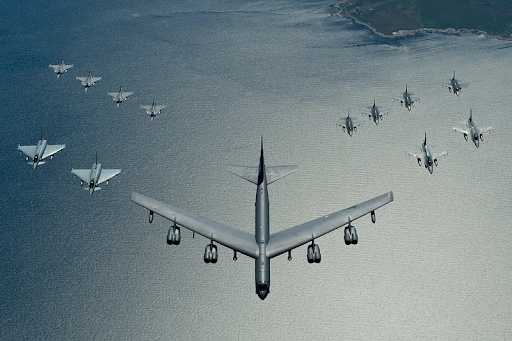
Picture credit: www.rawpixel.com
52