
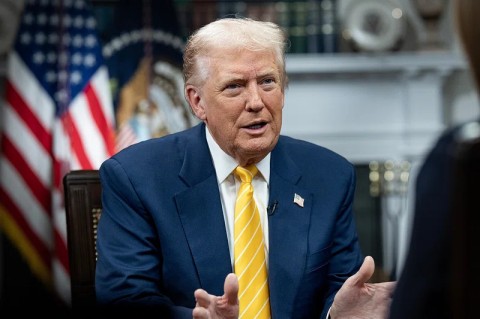
In a significant military move, former President Donald Trump declared the deployment of an additional 5,000 U.S. troops to Poland. This decision, he noted, was greatly influenced by his rapport with Polish President Karol Nawrocki. President Nawrocki expressed his approval, highlighting that the presence of American forces plays a crucial role in ensuring Poland’s security and bolstering its strategic partnership with the United States.
The announcement has sparked broader discussions about the potential implications for NATO, as it raises questions about whether troop deployments might increasingly hinge on political alliances rather than the alliance’s long-term strategy and collective security objectives. Critics have voiced concerns that such a precedent could undermine trust in NATO’s commitments, leading to uncertainty among member nations regarding future U.S. defense policies.
Adding to this, the decision has reignited debates across Europe concerning the continent’s defense strategy. There is growing discourse on the need for Europe to strengthen its independent defense capabilities and reduce its reliance on U.S. military protection, especially in light of this recent development.
This troop deployment occurs against the backdrop of persistent tensions involving Russia and ongoing regional security issues in Eastern Europe. It also coincides with broader discussions about NATO’s evolving role and military structure in the current geopolitical climate.