
The United Kingdom’s strategic ability to produce “primary steel” is facing uncertainty as Business Secretary Peter Kyle backs a fundamental shift to electric arc furnaces (EAFs) at the British Steel plant in Scunthorpe. This move prioritises climate goals but could end the nation’s capacity to create new steel from iron ore.
This represents a significant potential reversal of previous government pledges. When ministers took emergency control of the Scunthorpe site in April, the stated goal was to preserve “primary steelmaking.” Kyle’s predecessor, Jonathan Reynolds, repeatedly emphasised this point. Now, the focus has shifted to EAFs, which melt scrap steel rather than processing raw iron ore.
The implications for the UK’s industrial base are profound. While blast furnaces are major polluters, they are the key to producing virgin steel. Unions are sounding the alarm, with Community’s Alasdair McDiarmid insisting on the need to “maintain primary steelmaking capacity” as part of any “just transition” to greener methods.
A potential compromise is being explored. The government is considering investing in a separate facility to produce Direct Reduced Iron (DRI), possibly using green hydrogen. This DRI material is compatible with electric arc furnaces and would allow for primary steelmaking with much lower emissions. However, industry insiders have already cast doubt on whether this arrangement would be financially viable.
This entire strategic pivot is happening under difficult circumstances. The government is navigating global trade chaos, including tariffs and market-flooding by China. Furthermore, a deal must still be struck with British Steel’s legal owner, Jingye, to formally hand over the plant, adding another layer of complexity to the government’s December steel strategy.
UK’s “Virgin Steel” Capacity in Doubt as Government Eyes Electric Future
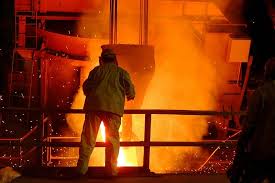
Picture credit: www.rawpixel.com
56