
The UK government has come under fire from Ukraine and political adversaries over its decision to temporarily relax certain elements of its new sanctions on Russian oil products. This move has raised alarms that it might inadvertently boost Moscow’s income, potentially aiding its military capabilities.
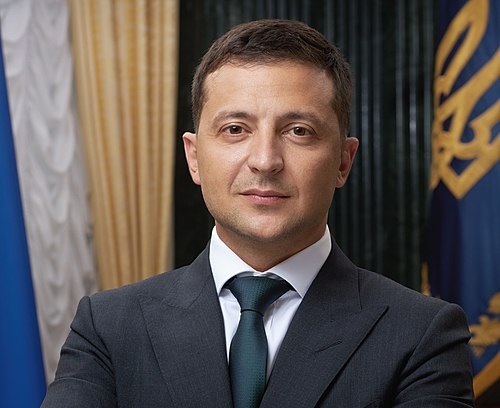
This backlash arose after Britain declared an expansion of sanctions targeting Russian energy exports, but also introduced temporary exemptions. These exemptions permit the import of jet fuel and diesel refined from Russian crude through third countries and are scheduled for a three-month period before reassessment. Ukrainian President Volodymyr Zelenskyy confirmed that Kyiv had addressed these concerns with London, emphasizing the importance of sustained sanctions as a key measure against Russia. Ukrainian officials expressed worry that this shift in policy might indirectly support Russia’s military actions.
British authorities justified the exemptions as necessary to ensure market stability amidst escalating global fuel prices, which have been linked to tensions in the Middle East. Prime Minister Keir Starmer defended the broader sanctions package, highlighting that it imposes stricter restrictions on maritime services related to Russian liquefied natural gas and refined oil products. Despite these explanations, the decision drew criticism from opposition leader Kemi Badenoch, who accused the government of diluting its sanctions on Russia. Meanwhile, Trade Minister Chris Bryant acknowledged the announcement was mishandled and apologized for the resulting confusion.
Ukrainian officials and lawmakers voiced their dissatisfaction, advocating for tougher, not more lenient, sanctions as Ukraine intensifies its attacks on Russian energy infrastructure. They argue that increasing economic pressure is crucial to undermine Russia’s capacity to continue the war. Downing Street later confirmed that Prime Minister Starmer and President Zelenskyy engaged in discussions to reinforce Britain’s ongoing support for Ukraine and its commitment to heightening the economic pressure on Russia.