
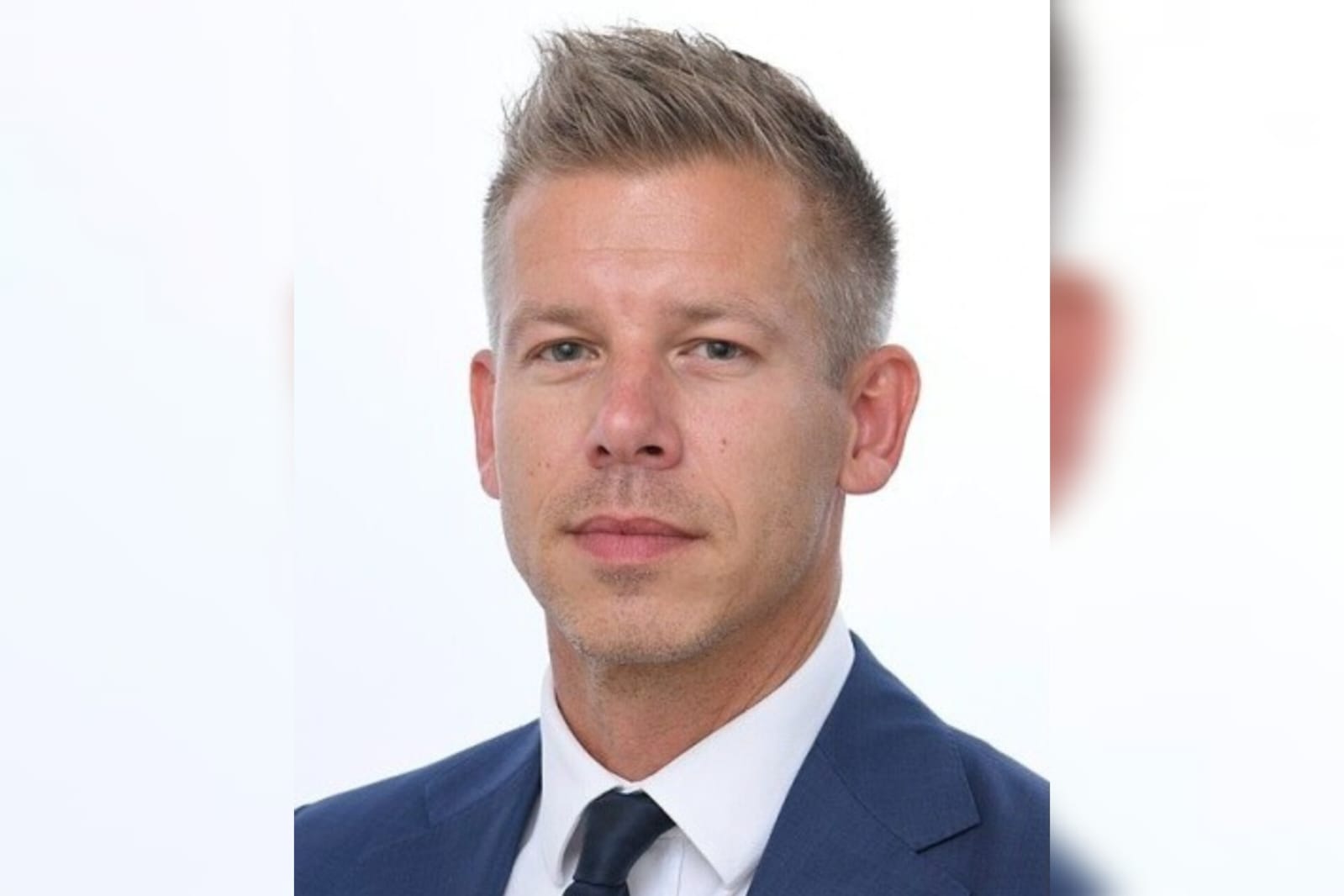
Péter Magyar, the newly elected leader of Hungary, is setting his sights on forging a close alliance with Poland’s Prime Minister, Donald Tusk, aiming to leverage Poland’s experience in mending ties with the European Union after a period of illiberal governance. Both nations have traversed similar paths since 1989, and now, Magyar and Tusk, both center-right and pro-European leaders, are tasked with the formidable challenge of rejuvenating the rule of law and enhancing state institutions after years of democratic erosion and clashes with the EU.
The camaraderie between the two leaders was evident on election night, with Tusk, speaking from Korea, expressing his elation at Magyar’s victory. Tusk highlighted the significance of the political shift occurring in the region, stating that countries like Warsaw, Bucharest, Chișinău, and now Budapest are proving they are not destined for corrupt and authoritarian rule. Magyar reciprocated the sentiment, expressing a desire for a special relationship with Poland and scheduling Warsaw as his first official visit after taking office. He also announced plans to address the issue of two former Polish ministers residing in Budapest to evade prosecution, signaling a commitment to cooperation with Poland’s new government.
With the new Hungarian parliament poised for inauguration and Magyar’s anticipated swearing-in on May 9, which coincides with “Europe Day,” the stage is set for Hungary’s reintegration into the core of European politics. As Magyar prepares to succeed Viktor Orbán at the European Council, Tusk’s expertise is expected to be invaluable in navigating discussions within the bloc. EU officials have initiated informal talks with Magyar’s incoming administration, with expectations for Hungary to lift its block on a €90 billion loan to Ukraine and agree to new sanctions against Russia, signaling a potential realignment in political stance.
Behind the scenes, Hungarian and Polish officials are collaborating on strategies to reverse the illiberal policies of the past. Poland’s Civic Coalition, having recently unseated the right-wing populist PiS and unlocked EU funds, offers a blueprint for Hungary’s path forward. However, Hungary faces a deadline to achieve “super milestones” by the end of August to access the initial €10.4 billion tranche, with €2.12 billion already forfeited. Polish officials emphasize the necessity of genuine reforms over mere promises, highlighting the urgency and complexity of the task ahead for Magyar’s administration.
Magyar’s decisive electoral victory, securing a two-thirds majority in parliament, provides a smoother legislative path compared to Poland, where changes were hindered by potential presidential vetoes. To cement the break from Orbán’s regime, Magyar has urged Tamás Sulyok, an Orbán ally, to resign, signaling a readiness for change. Additionally, Magyar plans to join the European Public Prosecutor’s Office and investigate corruption during Orbán’s 16-year tenure. However, as Poland’s former Justice Minister Adam Bodnar points out, structural reforms may face challenges due to the enduring influence of those entrenched in the old system, reflecting a shared struggle in dismantling an illiberal legacy.