
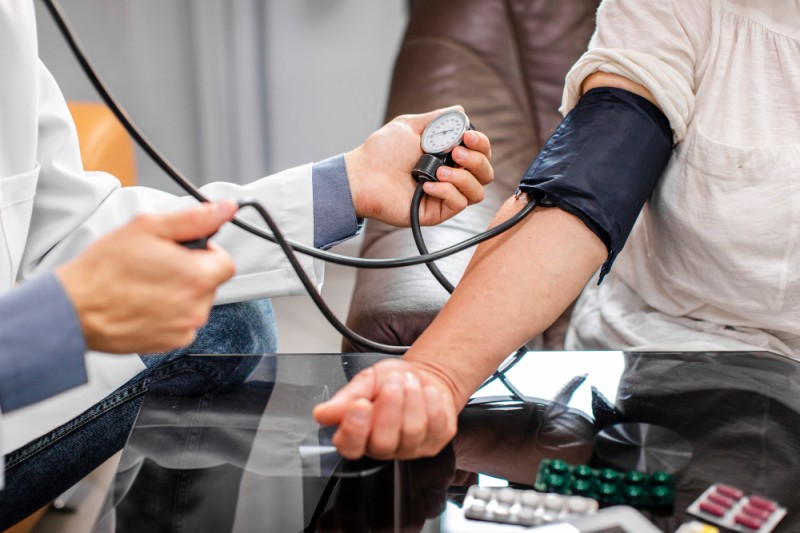
With the rise in temperatures during heatwaves, individuals with high blood pressure need to exercise caution, as the sweltering heat can place additional stress on their bodies. The body’s natural response to heat involves widening blood vessels and increasing perspiration to manage temperature and blood circulation. However, for those with hypertension, these adaptations can exacerbate strain on the cardiovascular system, potentially leading to symptoms such as dizziness, weakness, or general discomfort.
High temperatures can lead to significant fluid and electrolyte loss through excessive sweating, potentially impacting blood volume and causing fluctuations in blood pressure. Even routine activities like walking, shopping, or gardening can become challenging during peak heat for people managing hypertension. Therefore, it is crucial to acknowledge how hot weather can influence blood pressure and take necessary precautions.
Proper hydration is key during hot weather, as it plays a vital role in mitigating the adverse effects of heat. Maintaining good hydration habits includes drinking adequate water throughout the day, starting with hydration in the morning, and consuming water-rich foods like watermelon, cucumber, and oranges. It is advisable to limit caffeine and alcohol intake, as these can contribute to dehydration.
To further protect against the effects of extreme heat, outdoor activities should be scheduled during cooler periods, such as early mornings or late evenings. This strategy helps reduce the cardiovascular strain caused by intense sunlight and allows the body to handle the heat more effectively. Additionally, individuals with hypertension should be vigilant for warning signs during extreme temperatures. Symptoms like persistent headaches, a fast or irregular heartbeat, extreme fatigue, confusion, or unusual weakness warrant prompt medical attention.
By implementing simple lifestyle changes, individuals with high blood pressure can better manage their health during heatwaves. Wearing loose and comfortable clothing, staying hydrated, regularly monitoring blood pressure, and adhering to prescribed medications are essential steps. While heatwaves present challenges, awareness and precautionary measures can help those with hypertension remain safer amidst soaring temperatures.