
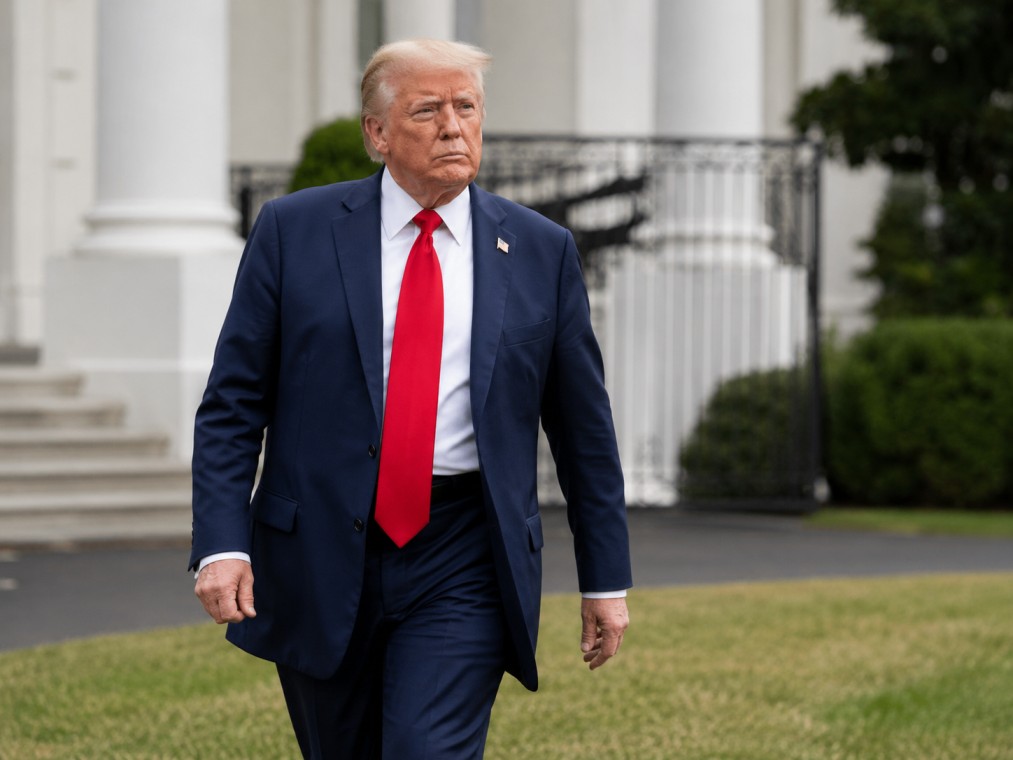
Tensions between the United States and Iran have heightened dramatically as President Donald Trump announced the end of a ceasefire agreement with Iran, marking a significant shift in diplomatic relations. Speaking at the NATO Summit, Trump expressed his belief that further negotiations with Tehran were futile and suggested that the U.S. is ready to engage in more military actions if necessary.
This declaration follows a fresh wave of U.S. military strikes on Iranian targets, which included air defense systems, command-and-control networks, coastal radar sites, anti-ship missile capabilities, and numerous Islamic Revolutionary Guard Corps (IRGC) boats near the Strait of Hormuz. According to the U.S. military, these strikes were a retaliatory measure after attacks on three commercial vessels navigating through the critical maritime passage.
Iran’s response was swift, launching attacks on U.S. military facilities in Bahrain, Kuwait, and other Gulf areas. This exchange of military actions has raised alarms over the potential for a wider regional conflict and has cast doubt on the already fragile ceasefire framework.
The Strait of Hormuz, a crucial artery for global energy supplies, has become increasingly insecure as a result of these escalations. The renewed hostilities have not only disrupted ceasefire efforts but also amplified concerns about the stability of this strategic waterway, which is vital for international trade and energy transportation.