
In an unexpected move that rattled Asian markets, Donald Trump announced intentions to increase tariffs on multiple South Korean product categories to 25%, claiming the country has failed to honor commitments from a trade agreement finalized last year. The president’s social media post specifically criticized South Korea’s legislature for not enacting the bilateral deal.
The proposed tariff increase would reverse gains made in the October 2024 agreement that reduced US duties on Korean vehicles from 25% to 15%. Trump now accuses Seoul of not living up to its side of the bargain, though South Korean officials maintain they received no advance warning of the tariff threat and dispute the characterization of their obligations.
South Korea’s Trade Minister Kim Jung-kwan has been redirected from Canada to Washington for urgent consultations with Commerce Secretary Howard Lutnick. The Korean government’s position has been that the trade framework constituted a memorandum of understanding rather than a formal treaty requiring parliamentary ratification, though this interpretation is now being reconsidered.
The stakes are considerable for South Korean manufacturers, particularly in the automotive sector where the US market absorbs approximately half of all Korean car exports. The brief but sharp decline in carmaker stock prices following Trump’s announcement demonstrates the significant economic impact of potential tariff changes on Korean industry.
Trump’s latest threat fits within a broader pattern of tariff diplomacy that has characterized recent weeks, including warnings directed at Canada and European nations. Analysts suggest the unpredictability of these announcements creates substantial uncertainty for businesses and investors attempting to navigate international trade relationships.
Trump Targets South Korea with New 25% Tariff Warning Over Legislative Delays
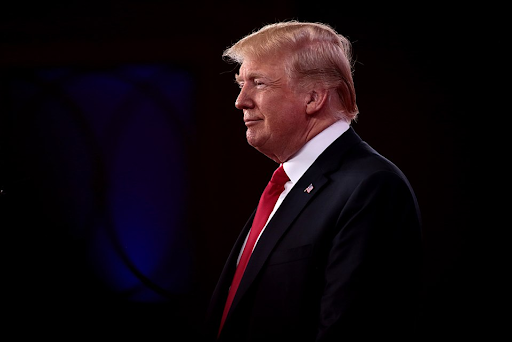
Photo by Gage Skidmore from Peoria, AZ, United States of America, via wikimedia commons
66