
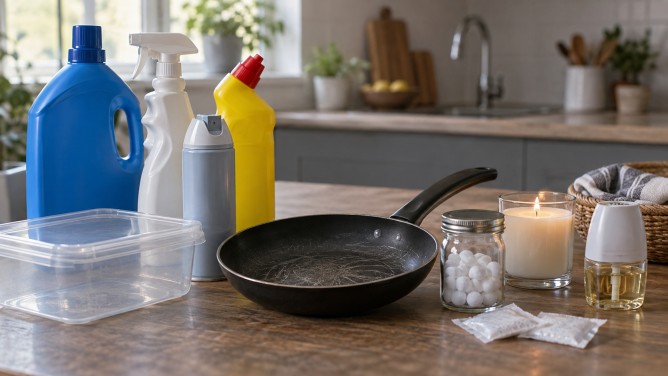
Health experts urge individuals to be cautious about the everyday products they bring into their homes, as some can contribute to unhealthy habits or expose residents to undesirable chemicals. Being aware of these items and seeking safer alternatives when possible can help maintain a healthier lifestyle.
Sugary soft drinks are a major concern, as they are linked to excessive sugar consumption and various long-term health issues. By keeping these beverages out of the home, individuals may find it easier to avoid making them a routine part of their diet. Similarly, processed meats such as bacon, sausages, and hot dogs are considered carcinogenic by the World Health Organization, and reducing their intake can be a beneficial dietary choice.
Tobacco and vaping products also pose significant health risks, as tobacco remains a leading preventable cause of disease and cancer worldwide. Keeping these items out of living spaces can minimize exposure and discourage regular use. In the kitchen, scratched non-stick cookware should be replaced once the coating is damaged, as it can deteriorate with continued use, posing potential safety hazards.
Plug-in air fresheners, while effective at masking odors, do not clean indoor air and may even react with pollutants to create additional compounds. Better alternatives include increasing ventilation and addressing the source of unpleasant smells directly. In addition, plastic cutting boards can release small plastic particles after repeated knife use. Replacing worn boards and using separate ones for different types of food can enhance kitchen hygiene.
Highly sweetened breakfast cereals often contain large amounts of added sugar, making them less nutritious than they appear. Opting for whole-grain, lower-sugar options can offer a healthier start to the day. Furthermore, repeatedly reheating cooking oil can lead to the breakdown of the oil and the production of harmful compounds. Employing fresh oil and avoiding excessive reheating can promote safer cooking practices. By making small changes to household products and routines, individuals can foster healthier habits over time.