
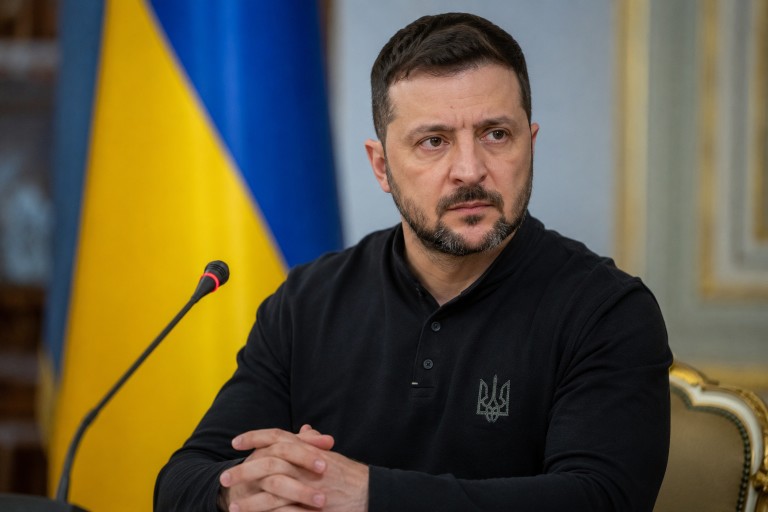
Ukrainian President Volodymyr Zelenskyy is under mounting pressure to reinstate former Defence Minister Mykhailo Fedorov, as nationwide protests continue to escalate following his dismissal. Despite a recent reshuffle in the country’s military leadership, with Mykhailo Drapatyi replacing Oleksandr Syrskyi as Commander-in-Chief, public dissatisfaction persists. Fedorov has turned down an offer to serve as deputy prime minister, stating his sole interest lies in returning as defence minister to pursue his modernization and reform plans for Ukraine’s armed forces.
Currently, the defence ministry is temporarily led by Yevhenii Khmara, a special forces commander, which complicates Fedorov’s potential return without another leadership overhaul. Protest organizers have scheduled another rally in Kyiv, vowing to continue demonstrations until Fedorov is reinstated, heightening the likelihood that this political impasse could stretch into a second week.
Simultaneously, Ukraine has intensified its military efforts against Russia, launching drone strikes on Russian military and economic targets. The newly appointed Commander-in-Chief, Mykhailo Drapatyi, is charged with broadening offensive operations, fortifying military capabilities, advancing new technologies, and enhancing activities behind enemy lines. Drapatyi’s appointment has received backing from various Ukrainian political and military figures, who commend his experience and leadership skills. However, military officials caution that he faces formidable challenges, including the potential for increased Russian troop movements in the near future.
The leadership changes stem from disagreements over Ukraine’s military strategy, with Fedorov championing swift technological advancement, while the previous military leadership favored a more conventional approach. Meanwhile, Russia has downplayed the impact of Ukraine’s leadership reshuffle, asserting that it will not influence the battlefield situation and that its military operations will persist as planned.