
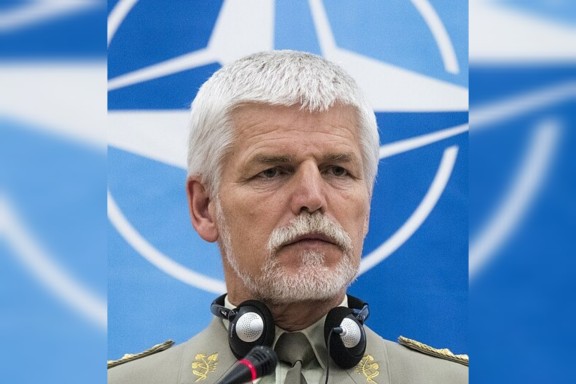
Czech President Petr Pavel has called on NATO to adopt a more robust approach in response to Russia’s ongoing provocations near the alliance’s eastern borders, cautioning that insufficient action could lead to further escalations. Pavel, who previously chaired NATO’s military committee and is a retired general, emphasized that Russia has been deliberately testing NATO’s boundaries through actions such as airspace violations, drone incidents, and military provocations that stop short of triggering Article 5, which is NATO’s collective defense mandate.
Pavel advocates for “decisive” countermeasures, which may include shooting down aircraft that breach allied airspace. He also proposed taking asymmetric actions against Russia, such as disrupting its internet systems, targeting satellite capabilities, and imposing additional restrictions on Russian banks within international financial networks. According to Pavel, Russia is more responsive to “the language of power” than to diplomatic warnings, and failure to respond robustly could lead Moscow to amplify its aggressive activities in Eastern Europe and the Baltic region.
The Czech president also pushed for increased pressure on Russia through sanctions, suggesting that any relief should be contingent upon a ceasefire and peace negotiations in Ukraine. He criticized Europe for its heavy reliance on the United States for leadership, urging the continent to develop its own long-term strategy regarding Russia and broader European security issues. Pavel believes that Europe must assume a more proactive role in shaping future security arrangements.
These statements from President Pavel come amid rising concerns within NATO over regional security, particularly due to ongoing tensions related to the conflict in Ukraine. His remarks underscore the urgency felt among NATO members to address the challenges posed by Russian activities and to reinforce the alliance’s stance in maintaining stability along its eastern borders.