
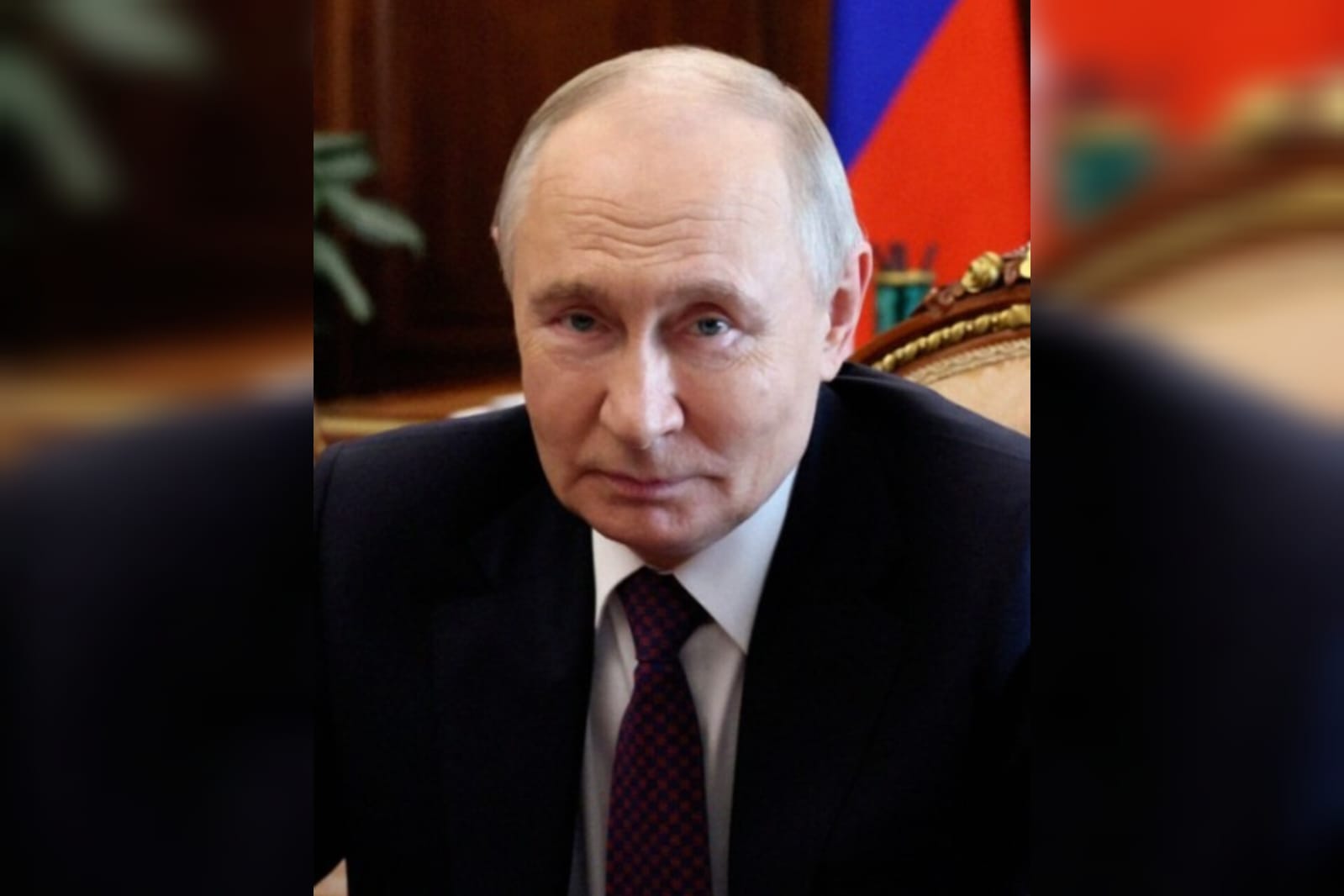
Amid an uptick in Ukrainian drone strikes on Russian energy infrastructure, President Vladimir Putin has acknowledged challenges in the country’s fuel supply chain. While he admitted that the strikes have led to noticeable shortages, he maintained that the situation has not reached a critical stage. These attacks have specifically targeted oil refineries and fuel facilities, leading to reduced refining capacity and increased pressure on domestic fuel reserves.
In response to the disruptions, several regions within Russia have implemented fuel restrictions in an effort to manage the shortages and repair the damaged infrastructure. Putin outlined plans to mitigate the impact of these attacks, which include increasing fuel imports, bolstering security around refineries, and expediting repair efforts. The strikes underscore Ukraine’s growing capability to hit strategic targets far beyond the immediate conflict zones.
The situation is particularly acute in Crimea, where repeated drone attacks have severely disrupted fuel and transportation networks. This has led to long queues at petrol stations in certain areas, sparking public frustration and a wave of criticism on social media. The difficulties faced in Crimea highlight the broader challenges that Russia is experiencing as a result of these targeted strikes.
According to Ukrainian officials, these operations against Russian energy facilities aim to weaken Moscow’s military capabilities by disrupting the essential fuel supplies needed for its war efforts. Despite the ongoing pressure from these strikes, Putin has asserted that Russia will persist with its military objectives in Ukraine, signaling no change in the country’s strategic ambitions.