
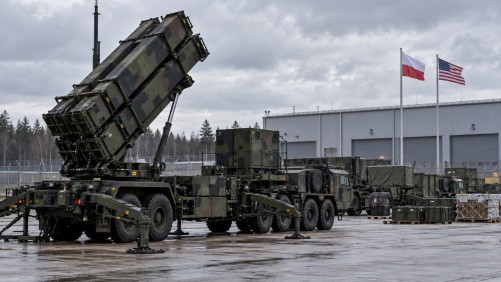
Poland is experiencing delays in the delivery of U.S. weapons systems, including critical interceptors for its Patriot missile defense system, due to increased pressure on American military stockpiles amid the ongoing conflict in Iran. General Ireneusz Nowak, the Polish Army Operational Commander, confirmed these delays during the Warsaw Security Forum, highlighting the impact on Poland’s existing defense procurement agreements.
General Nowak specifically pointed to the PAC-3 MSE interceptors, a vital component of the Patriot missile defense system, as a primary concern. He also warned that other weapon systems covered by current contracts might arrive later than initially scheduled. These delays are particularly troubling for Poland, which has been heavily investing in modernizing its military to bolster air defense capabilities in the face of persistent security threats in Europe.
The issues stem from heightened demand for U.S. military equipment as the United States navigates its commitments in the Iran conflict, leading to a strain on its weapons inventories. This situation has raised concerns among European allies, who fear that previously agreed-upon deliveries might be postponed as the U.S. prioritizes its own military needs.
For Poland, the delay in receiving these interceptors could have significant implications for its national defense strategy. The country has been proactive in acquiring advanced defense systems to safeguard its airspace, and any disruption could complicate these efforts. The situation underscores the broader challenges faced by NATO allies in securing timely delivery of weapons as they balance their defense requirements with the evolving geopolitical landscape.
The expected delays highlight the complexities involved in international defense procurement, especially during times of heightened global conflict. As NATO members like Poland work to enhance their military capabilities, they must navigate the uncertainties of supply chains that are increasingly impacted by global events.